
- Home /
- Generator No-Start Diagnostics in New York
Generator No-Start Diagnostics in New York
NYC Mobile Diesel Repair Co. tests generators where they sit, tracing battery, starter, fuel, controller, and shutdown faults to provide generator no start diagnostics in New York before replacing parts or moving equipment.
Call NYC Mobile Diesel Repair Co. with the equipment type, location, and current problem. We’ll direct the right mobile service to the truck, trailer, generator, fleet vehicle, or diesel equipment that needs attention.
Trace The Exact Point The Start Fails
A generator that will not start can fail before cranking, crank without firing, start and immediately shut down, or remain locked out by its controller. NYC Mobile Diesel Repair Co. provides generator no-start diagnostics in New York for commercial, standby, portable, and diesel-powered units at accessible sites.
Diagnosis follows the starting sequence instead of guessing at components. Technicians check battery voltage, starter operation, fuel delivery, control-module commands, shutdown inputs, and engine response in order. This helps separate an electrical starting fault from a fuel, controller, sensor, or internal diesel problem.
- Battery Voltage Testing
- Starter Circuit Checks
- Fuel Solenoid Testing
- Controller Fault Review
- Shutdown Input Diagnosis
- Fuel Supply Inspection
- Cranking Speed Evaluation
- Sensor Signal Checks
- Charging System Review
- Engine Response Testing
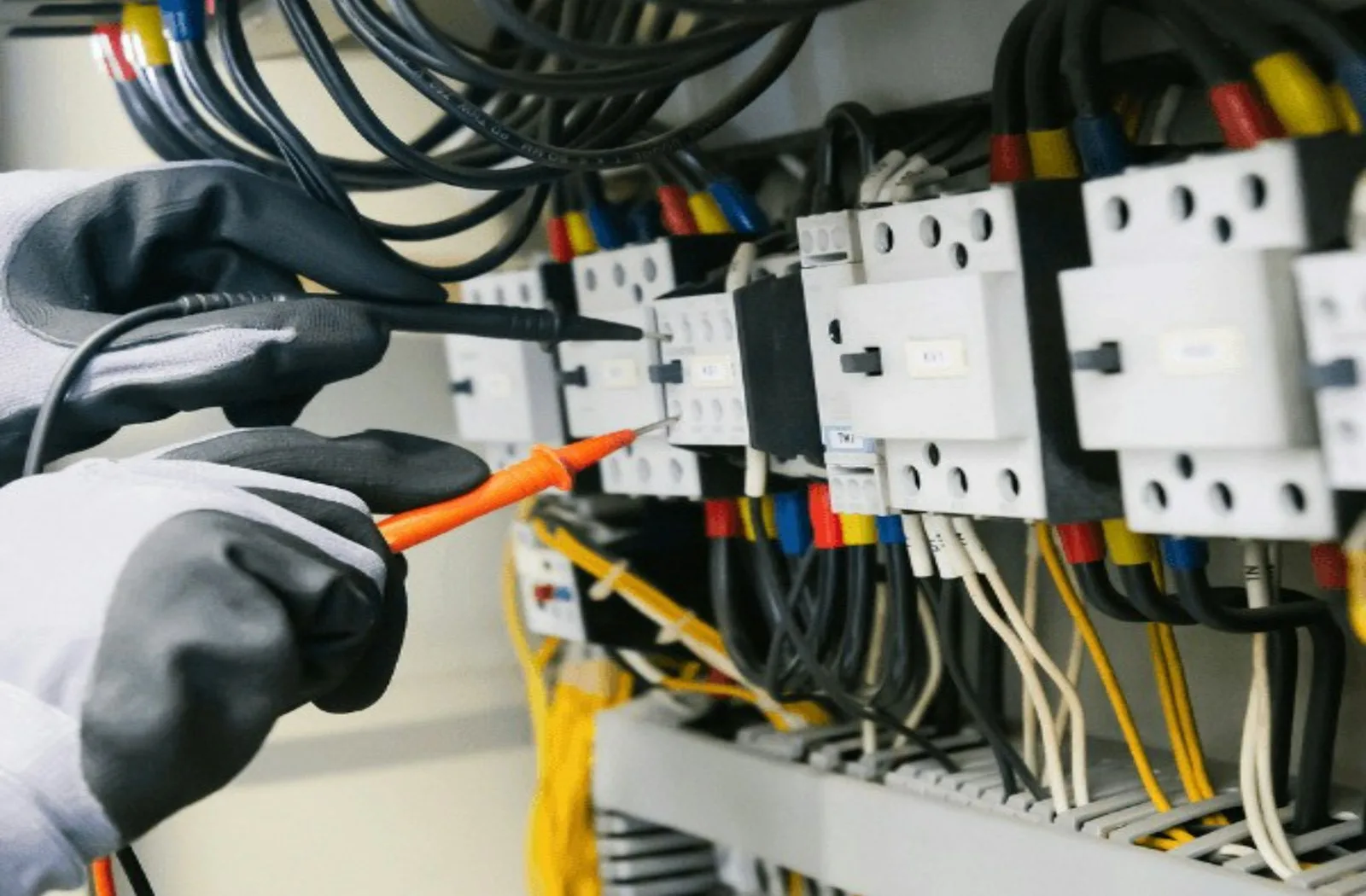
How Technicians Diagnose Generator No-Start Problems?
No-start diagnosis begins with what the generator actually does when a start command is given. Technicians check whether the controller requests cranking, whether battery voltage holds under load, whether the starter engages, and whether fuel reaches the engine. If cranking is normal but combustion never begins, diesel engine diagnostics can help separate fuel, compression, sensor, and internal engine causes.
Crank Circuit
When the engine cranks slowly or not at all, technicians check battery condition, cables, relays, starter response, and voltage drop.
Fuel Command
Fuel solenoids, delivery, filters, shutoff controls, and supply conditions are checked when cranking occurs without combustion.
Controller Logic
Control modules, shutdown faults, sensors, alarms, and start permissions are reviewed when the generator prevents or interrupts starting.
No-Start Patterns Reveal Different Faults
Not every generator that “will not start” has the same failure. No crank can point toward batteries, cables, relays, starters, or controller commands. Normal cranking without ignition may indicate fuel delivery, shutdown logic, sensor inputs, or engine condition. A unit that starts briefly and stops may have a different control or protection fault. Generator no-start diagnostics in New York narrow the problem by matching the symptom to the affected stage of the start sequence.
Before Cranking
- Low Battery Voltage
- Starter Relay Failure
- Controller Start Lockout
After Cranking
- Fuel Solenoid Fault
- Shutdown Sensor Input
- Restricted Fuel Supply
Why Diagnose No-Starts At The Generator
A generator no-start problem is often connected to the equipment, controls, fuel supply, or installation. Mobile generator repair keeps those conditions available for testing instead of separating the unit from its actual setup. The technician can reproduce the fault, inspect controller history, measure voltage, and follow the start sequence on-site.
- Reproduce The Exact Starting Failure
- Test Battery Voltage Under Load
- Check Controls In Their Setting
- Inspect Fuel Supply At Source
- Avoid Guessing Before Parts Replacement
Site Conditions Shape No-Start Diagnosis
Generators in New York may sit beside commercial buildings, inside equipment yards, at construction sites, or within facility service areas. Access, installation layout, fuel setup, and controller configuration can all influence how a no-start fault is tested.
- Commercial Buildings With Standby Units
- Construction Sites Using Mobile Generators
- Equipment Yards With Diesel Assets
- Facilities With Fixed Backup Systems
Diagnosis Built Around The Failure Sequence
A no-start call should not begin with random parts replacement. NYC Mobile Diesel Repair Co. works from the reported symptom through battery supply, cranking, fuel command, controller logic, shutdown inputs, and engine response. When the fault involves a larger standby system, commercial generator repair can follow the diagnosis. Deeper engine problems may also require industrial diesel engine repair.
Sequential
Testing follows the start process in order so technicians can see exactly where normal operation stops.
Measured
Voltage, cranking response, controller status, fuel delivery, and engine behavior guide the diagnosis.
On-Site
The generator is tested with its actual controls, fuel supply, wiring, and installation still connected.
Focused
Findings narrow the repair toward the failed system instead of replacing unrelated components first.
From Failed Start To Confirmed Cause
The process begins with the exact no-start behavior. The technician reproduces the symptom, checks battery and cranking performance, follows fuel and control commands, reviews shutdown conditions, and identifies the failure point before recommending the repair.
- Describe The Start Failure
- Confirm Generator Site Access
- Reproduce The Reported Symptom
- Test Starting Sequence Components
- Identify The Failed Stage
- Review The Repair Needed
Frequently Asked Questions
Normal cranking with no ignition usually shifts attention away from the starter and toward fuel delivery, shutdown controls, sensors, compression, or controller logic. Technicians typically verify fuel command, solenoid operation, fault history, and engine response before deciding which system needs repair.
Yes. A battery can have enough energy to turn the engine yet still drop below the voltage needed for controllers, fuel solenoids, or electronic engine systems to operate correctly. Measuring battery voltage during cranking helps reveal problems that a resting voltage check may miss.
A shutdown fault means the controller has detected, stored, or received a condition that prevents normal operation. Depending on the system, causes may involve oil pressure, coolant temperature, emergency-stop circuits, sensors, wiring, or previous faults that require diagnosis before restarting.
Brief starting followed by shutdown can point to loss of fuel, failed speed detection, sensor faults, low oil-pressure signals, controller protection logic, or other monitored conditions. The shutdown code and operating sequence are important clues because the engine did initially achieve combustion.
Not automatically. A no-crank condition can come from weak batteries, corroded cables, failed relays, controller lockouts, safety circuits, poor grounds, or the starter itself. Voltage-drop testing and command checks should confirm whether the starter is actually receiving adequate power before replacement.
What Customers Say About Our Starting Diagnostics
Posted on GoogleTrustindex verifies that the original source of the review is Google. Helped me out with a PPI, did a thorough inspection and gave good advice 👍👍
Get The No-Start Fault Identified
Generator refusing to start? NYC Mobile Diesel Repair Co. can trace the starting fault in your equipment and identify the next repair.