- Home /
- Diesel Engine Diagnostics in New York
Diesel Engine Diagnostics in New York
Get diesel engine diagnostics in New York for recurring fault codes, warning lights, derates, rough running, intermittent power loss, and unexplained engine-performance changes.
Call NYC Mobile Diesel Repair Co. with the equipment type, location, and current problem. We’ll direct the right mobile service to the truck, trailer, generator, fleet vehicle, or diesel equipment that needs attention.
Fault Codes, Derates & Engine Performance Problems
The ECM records conditions it considers abnormal, but that information does not automatically identify the failed part. One code may involve fuel pressure, airflow, temperature, voltage, aftertreatment, sensor feedback, or another monitored system. The useful question is not simply what code appeared, but why the engine produced it.
That distinction matters during diesel engine diagnostics in New York. Scan results are interpreted alongside operating symptoms, available live data, warning conditions, electrical evidence, and the circumstances surrounding the fault. A truck that idles normally and loses power under load presents a different diagnostic problem from an engine that faults immediately after startup or only after reaching operating temperature.
- Commercial Diesel Fault Code Scanning
- Heavy-Duty Engine Performance Testing
- Check Engine Light Diagnosis
- Diesel Sensor Signal Testing
- Engine Derate Fault Diagnosis
- Commercial Vehicle Fault Tracing
- Diesel Warning Light Diagnosis
- Fleet Engine Diagnostic Service
- Live Engine Data Comparison
- Heavy-Duty Fault Verification Service
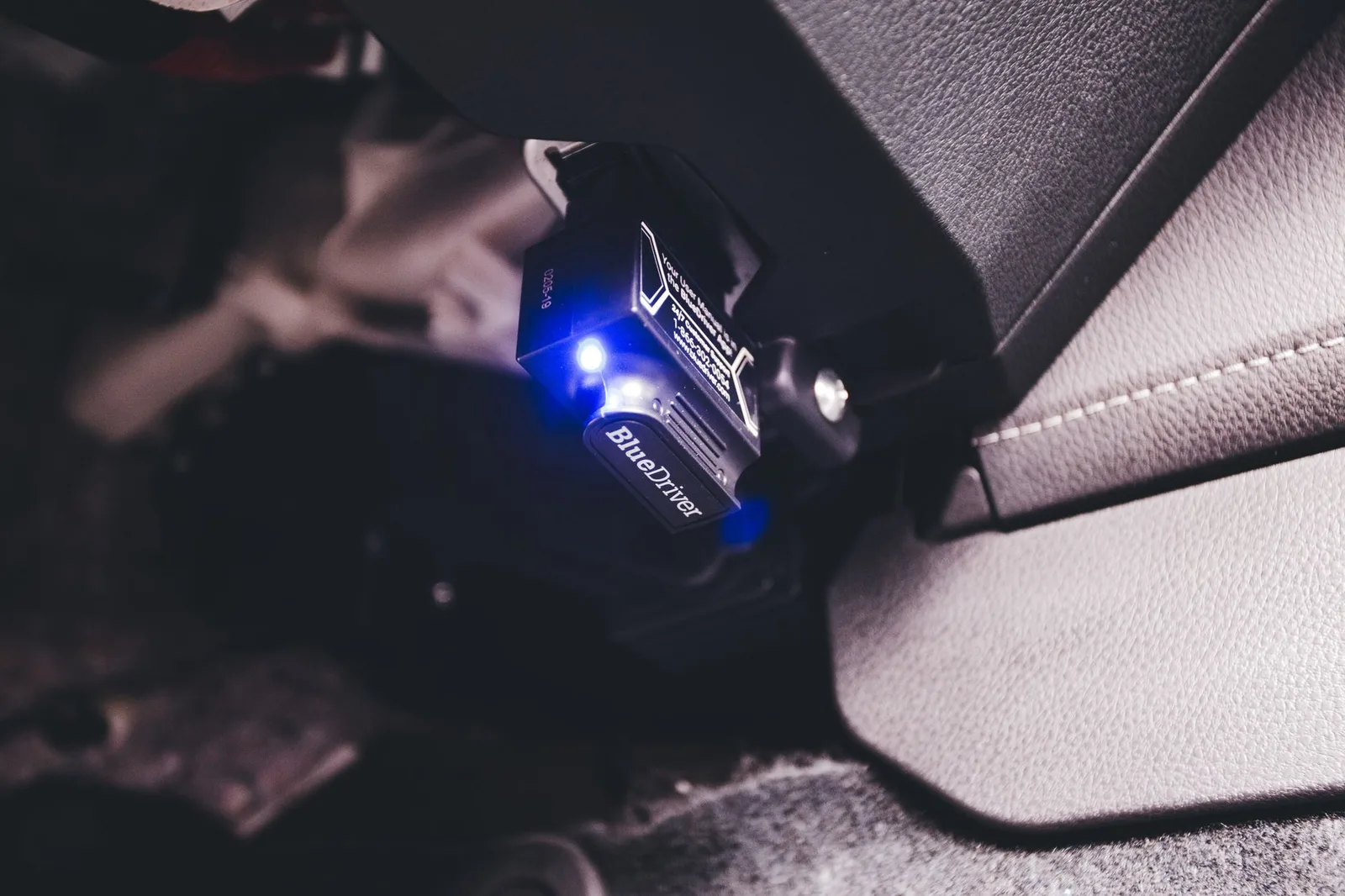
How Your Engine Reports Faults In Real Time
Three types of evidence can change the diagnostic direction quickly: how sensor values move, whether the engine responds differently as demand changes, and whether the reported symptom appears at the same moment. A normal reading at idle means little if that same signal becomes unstable during acceleration, warm operation, or higher engine load.
Signal Changes
Available sensor values are watched for readings that drift, disappear, react too slowly, or become inconsistent as speed, temperature, and operating demand change.
Engine Response
Changes in throttle response, idle quality, power delivery, or engine stability are compared with the data occurring at the same time.
Demand Behavior
Some faults become visible only during acceleration, warm operation, restart, or heavier engine demand, making operating-condition testing essential for intermittent complaints.
Intermittent Power Loss, Rough Running & Warning Lights
Some diesel complaints refuse to identify themselves clearly. Power may disappear for several seconds and return. The engine may run rough only when hot. A derate warning can appear after several miles, while the truck seems normal again after shutdown and restart. These symptoms describe what the operator experiences, not necessarily which system failed.
Performance Problems
- Power Drops Intermittently
- Engine Runs Rough
- Throttle Response Changes
Warning Faults
- Check Engine Illuminates
- Derate Warning Returns
- Fault Codes Reappear
Mobile Diagnostics Under Real Operating Conditions
An intermittent problem can look completely normal while the truck sits idling. Put the engine under demand, allow temperature to rise, or reproduce the condition that triggered the warning, and the picture may change. Pressure, voltage, sensor response, or engine behavior can move outside the range seen during a stationary inspection.
That is where field testing becomes valuable. NYC Mobile Diesel Repair Co. works with commercial trucks, fleets, generators, construction equipment, and other supported diesel applications at accessible operating locations when mobile diagnostic testing fits the complaint and the required procedure.
- Fault Testing At Equipment Operating Locations
- Engine Behavior Compared Across Load Changes
- Truck Fleets And Equipment Evaluated On-Site
- Intermittent Symptoms Checked During Relevant Conditions
- Diagnostic Findings Guide The Next Repair
Find The System Causing The Fault
A scan should lead to a decision, not another guess. The objective is to narrow the complaint until the affected system becomes clear enough for targeted repair or deeper component-level testing. That may mean tracing a sensor circuit, checking fuel behavior, evaluating aftertreatment data, or confirming an electrical condition before parts are selected.
- Identify The Affected System First
- Separate Symptoms From Root Causes
- Direct Repairs Toward Verified Faults
- Clarify Which Service Comes Next
- Reduce Repeated Guess-Based Repair Attempts
Separate Fuel, Electrical & Aftertreatment Faults
Low power is not a diagnosis. Neither is a warning light, derate, rough idle, or recurring code. Diesel engine diagnostics in New York works by comparing those symptoms with the evidence produced by different systems and eliminating explanations that do not match the truck’s actual behavior.
Fault Context
A code becomes more useful when you consider related faults, recurrence history, engine temperature, load, speed, and what the driver noticed immediately before the problem appeared.
Signal Behavior
One sensor value may look acceptable at idle and drift out of range only as demand changes. The direction and timing of that movement can matter more than the static number itself.
System Testing
Once the evidence points toward a system, the next check shifts accordingly: electrical circuit, fuel delivery, sensor input, aftertreatment function, or another mechanical condition tied to the complaint.
Operating Pattern
Cold-only, hot-only, load-dependent, restart-related, and intermittent failures create different diagnostic patterns. Reproducing the pattern helps separate a recurring fault from a one-time stored code.
From Diagnosis To The Right Repair
Diagnostics should end with a clearer repair path. Once testing identifies the system behind the complaint, the work can move into the specialized service that matches the evidence, instead of continuing broad troubleshooting or replacing unrelated components.
- Diesel No-Start Diagnostics Service
- Truck Starter & Alternator Replacement
- Truck Electrical & Wiring Repair
- DPF / DEF / Aftertreatment Repair
- Diesel Fuel System Service
- Mobile Diesel Repair Service
Frequently Asked Questions
No. A fault code identifies a condition the control system detected, but several underlying problems can create the same code. Proper diagnosis compares the code with engine behavior, sensor data, electrical conditions, related faults, and the operating situation before deciding which component or system needs repair.
Clearing the code removes stored fault information; it does not repair the condition that triggered it. If the ECM detects the same problem again, the warning can return. Repeated faults should be traced back to the responsible system rather than repeatedly erased from memory.
Yes. Derates can result from faults involving sensors, aftertreatment, fuel delivery, temperature, electrical inputs, or other monitored systems. The truck may continue running while the control strategy limits output, so the fault data and the conditions surrounding the derate both matter.
Idle places relatively little demand on several engine systems. Under acceleration or heavy work, fuel demand, airflow, exhaust conditions, electrical load, and sensor response all change. A marginal system may appear normal at idle and become unstable only when the engine is asked to work harder.
Code reading retrieves stored or active fault information. Diagnosis interprets those faults, compares live data with the complaint, checks how the engine behaves under relevant conditions, and verifies the suspected system before repair. Reading the code starts the process; diagnosis determines what the information actually means.
What People Say About Our Diesel Diagnostic Service
Posted on GoogleTrustindex verifies that the original source of the review is Google. Helped me out with a PPI, did a thorough inspection and gave good advice 👍👍
Identify The Fault Before Replacing Parts
If warning lights, derates, or performance problems keep returning, request diagnostic testing to identify the affected system and move the truck or equipment toward the correct repair.